
Why your dog is great at home but a mess outside
Spoiler: it isn't stubbornness, and it isn't really even a training problem. Your dog is an animal in a distracting world, and once you get that, a lot of this stops being so frustrating.
Quick Links
As an Amazon Associate I earn from qualifying purchases. Some links in this note are affiliate links, at no extra cost to you.
"He knows sit. He does it perfectly in the kitchen. Outside, it's like he's never heard the word." I get some version of this in almost every first session, usually with "stubborn" or "ignoring me" attached. So let me take that one off your plate right now: your dog almost certainly isn't blowing you off. In a lot of these moments, they genuinely can't hear you. Not won't. Can't.
Two brains, and the loud one wins
Here's what's going on under the hood. Your dog has two brains sort of fighting over the controls: an emotional one and a thinking one. The thinking brain is the part that hears "sit" and actually does something with it. The emotional brain is older and louder, and it gets first dibs. Outside, your dog is floodedOverwhelmed to the point that a dog stops processing information and can no longer respond to cues.Read more →, the smells, the other dogs, the wide-open world all firing at once, and when that emotional brain lights up hard enough, it more or less switches the thinking brain off. Their ears still work. Your voice still goes in. But the brain drops the signal before it ever becomes the word "sit." You're not being ignored. There's just nobody upstairs right then to take the request.
"Sit" isn't one skill, it's a dozen
And there's a second, quieter reason, one that's easy to miss because your dog really does look like they know it. Dogs are terrible at assuming a rule applies everywhere. "Sit in the kitchen" and "sit on a loud sidewalk" are, to your dog, almost two different skills. So sometimes it isn't that they're too flooded to answer. It's that they were never really taught the word in this place, with this much going on. It only ever got practiced where it was easy.
You can usually tell the two apart by looking at the dog, not the disobedience. A dog who's calm but a little distracted, sniffing, glancing around, still taking your treat, that dog can learn right now. You just have to teach it here. A dog who's wound up, locked onto something, too buzzy to even eat, that dog is over their threshold, and the answer isn't a firmer "sit." It's more distance until the thinking brain comes back online.
Practice where it's actually hard
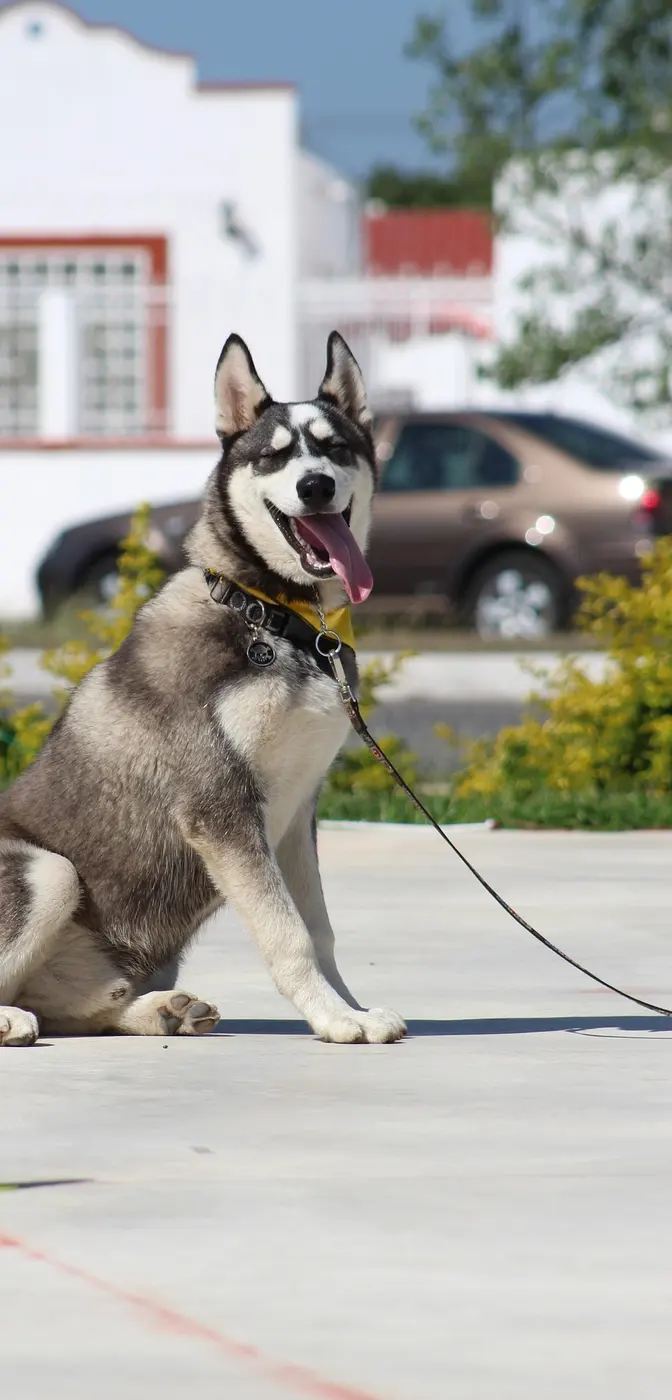
Either way the fix is the same shape, and it isn't glamorous. You practice in real places, on purpose, starting easy and working up: the backyard, then the driveway, then the quiet end of the street at 7am, then the busier spots. Bring the good treats and a 15ft long line(affiliate link), so your dog has room to sniff and explore without you ever letting go. You're not proving your dog knows sit. You're teaching them it means the same thing everywhere, even when the world is loud. It also helps to have a cue or two drilled so many times they're basically automatic, so they still fire when your dog is halfway checked out. A rock-solid U-turn is one of those.
That's not you failing. That's the actual work.
And I'll be straight with you, that practice can be humbling. You will stand on a sidewalk feeling ridiculous while your dog ignores a word they nailed ten minutes ago on the kitchen floor. Every rep in a new, harder place teaches your dog that listening is possible no matter what's going on around them. That's the whole game, and there's no shortcut around the ugly middle of it. If you're in that middle right now and can't tell whether any of it is landing, here's what progress actually looks like.
Common questions
Why does my dog listen at home but not outside?
Usually one of two reasons, and neither is your dog blowing you off. Outside, the smells and the other dogs can flood the emotional brain until the thinking brain switches off and your cue never registers. Or the cue was only ever practiced somewhere easy, and to a dog, sit in the kitchen and sit on a loud sidewalk are almost two different skills.
How do I get my dog to listen outside?
Practice in real places, on purpose, starting easy and working up: the backyard, then the driveway, then a quiet street early in the morning, then busier spots. Bring good treats and a long line so your dog can sniff and explore. You're teaching them the cue means the same thing everywhere, even when the world is loud.
How do I know if my dog is too distracted to train?
Look at the dog. A dog who is calm but a little distracted, sniffing and glancing around but still taking your treat, can learn right now. A dog who is wound up, locked onto something, and too buzzy to eat is over threshold, and the answer is more distance until they can think again, not a firmer cue.

Kourtenay Dolmos
Founder, Hearth & Hounds · LIMA-Informed · Houston, TXKourtenay is the trainer behind Hearth & Hounds, working hands-on with reactive, anxious, and rescue dogs across Houston. These notes come straight from that everyday work.
Work with KourtenayWhat "threshold" actually means
Trainers throw this word around constantly. It actually means two things at once, and once you can see both, your dog's reactive walks start to make a lot more sense.
ReactivityThe one move for when your dog lunges
Corrections aren't evil, but they're not your move here. When your dog's already over the edge, you want one reliable safety net: the emergency U-turn.
TrainingHow to tell if training is actually working
The progress is real, it's just not where you're looking. Often the exact thing that feels like failure is the win.
Working through this with your dog?
This is the everyday stuff. If you want a plan built for your dog specifically, that's what we do in person.
Get in touch →